














Grigeo Group has invested €106m to install a Toscotec-supplied tissue line and double its tissue production to 140,000tpy.
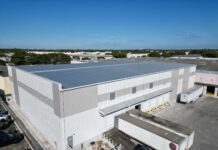
The bulk of the investment – over €97m – will be used to modernise and expand the UAB Grigeo Tissue production plant in Grigiškės.
A further €9m will be spent upgrading the production and infrastructure of Grigeo Tissue, a tissue paper mill in Poland.
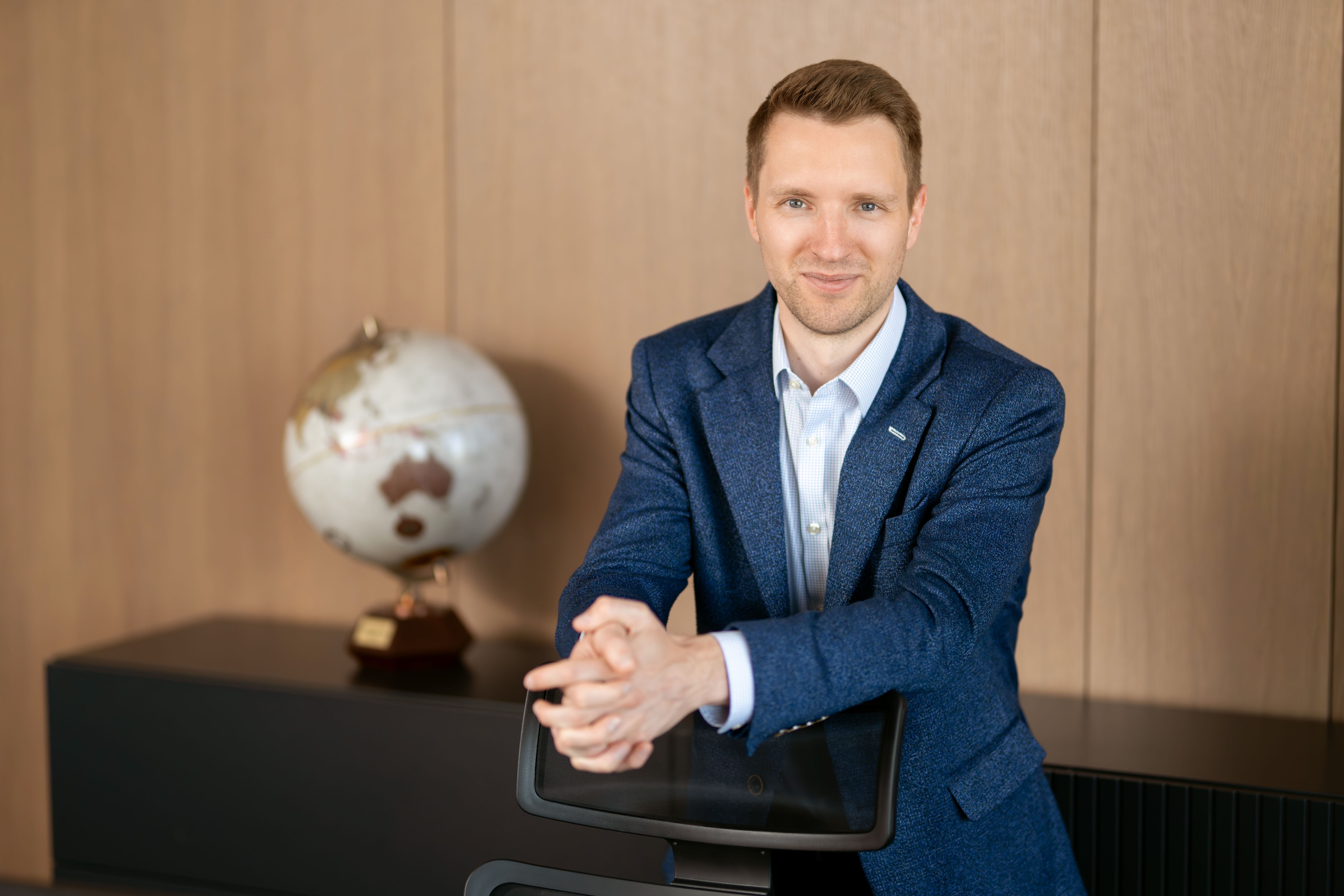
Tomas Jozonis, Chief Executive of Grigeo Group, confirmed the company signed the contract with Toscotec on 23 July.
He said: “The market potential in the Baltics, Scandinavia and Western Europe is growing.
“The new paper machine alone will produce an additional 70,000 tons of paper per year – a volume that currently requires the combined work of all three machines operated by our group.
“This investment is a strategic step for us and opens a new chapter in Grigeo Group’s growth story.”
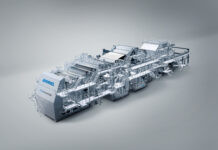
PM7 machine will have a paper web width of 5.6m, a design speed of up to 2,100mpm, and is scheduled to be operational in the first half of 2028.
It will be accompanied by the building of two automatic paper base conversion lines, a pulp warehouse.
Jozonis added: “We are constantly looking for innovative solutions, maintaining our leadership position and looking for the latest, high-end technologies.
“We are buying one of the fastest serial paper machines on the market, and our larger and more efficient production capacity will allow us not only to strengthen our position in strategic markets, but also to offer innovative and resource-efficient products.”
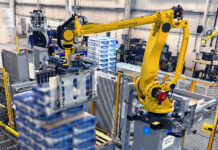
Grigeo Group will also invest in paper converting lines. Contracts have been signed with Valmet to supply two new lines, which will be commissioned in Grigiskes next year: one for the B2C and the other for the B2B segment.
Another conversion line for the B2B market is planned for 2027.
The expansion will also include the Grigeo Group’s production plant in Poland, which will receive an investment of more than €9m.
The factory will be equipped with a new converting line for paper base and will invest in additional infrastructure.
Up to 35 new employees in Lithuania and Poland are expected to be recruited in the coming years, followed by up to 80 technical specialists, including engineers, technologists, machinists, operators and other professionals, by 2028-2029.