














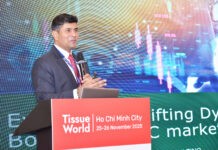


“Simply changing the sign on the building would not guarantee success,” says ST Paper’s Senior Vice President and Chief Operating Officer Ron Thiry. He spoke with TWM Senior Editor Helen Morris about the company plans to navigate a tissue market shaped by shifting fibre dynamics, rising energy costs, and the growing influence of emerging technologies.
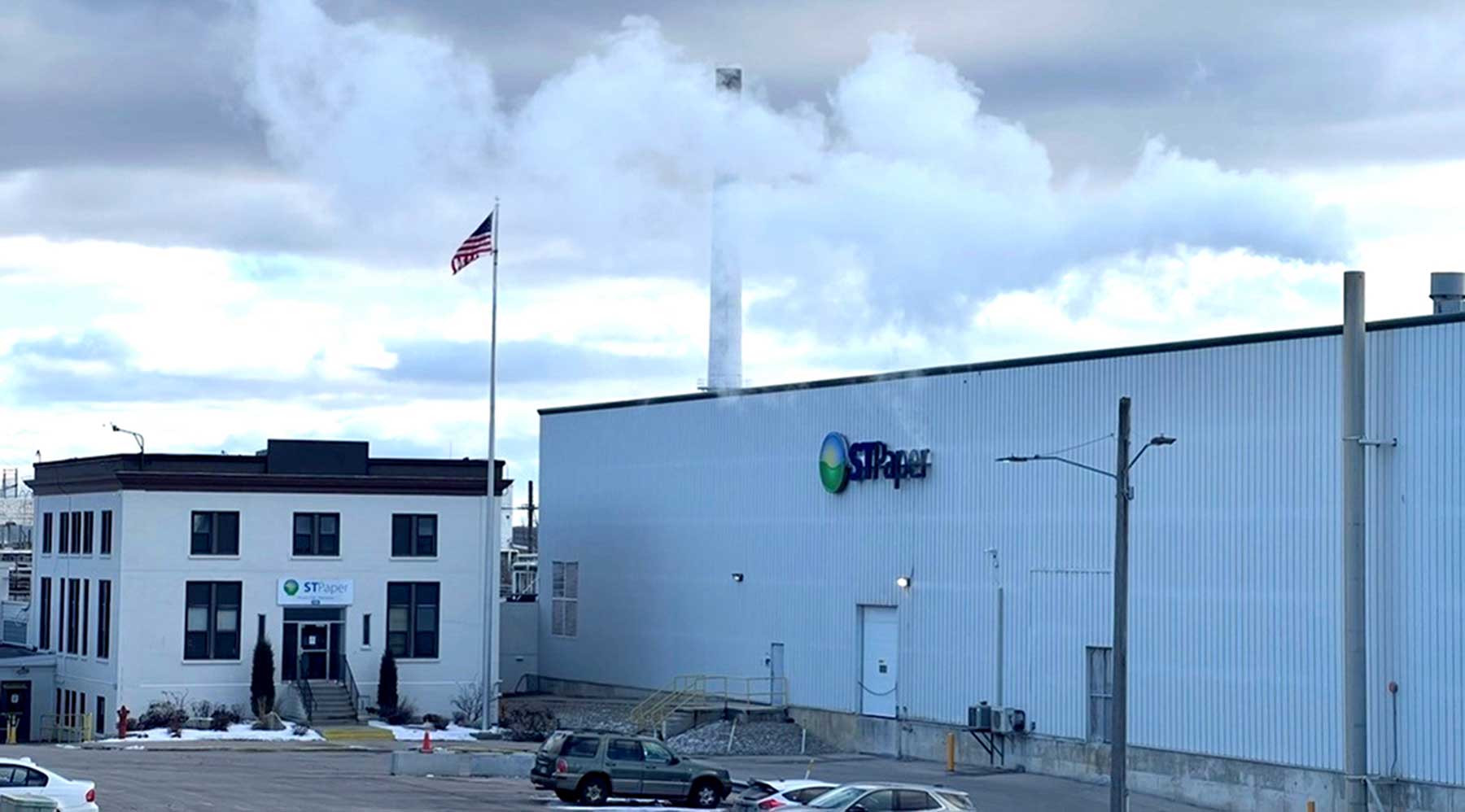
When the sale of a newly installed tissue machine at its Duluth, Minnesota mill to Sofidel in early 2024 changed the expected growth path, many may have asked what direction the company would take next. The ST leadership team quickly regrouped. Pressing forward with resolve, it acquired a former Cascades mill in Barnwell, South Carolina, and bringing its total tissue capacity to 220,000 tonnes per year across three facilities.
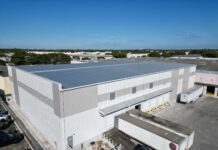
TWM last interviewed Ron Thiry, ST Paper’s Senior Vice President and Chief Operating Officer, in August 2023, when the conversation was related to the new PrimeLineTM W 2000 tissue machine that had started-up in January of that year at the North American AfH manufacturer’s Duluth mill in Minnesota. The company was primed for further expansion, and then ultimately, that mill was sold to Sofidel in early 2024.
Speaking now in April 2026, Thiry says: “That outcome was not something we had planned for or anticipated in any way. Our business approach is to ‘help our customers grow’. The Duluth mill has been part of Sofidel’s impressive growth, but not in a way that we would have predicted.”
After the sale of the Duluth mill, the company quickly returned to investigating various growth options: “We felt that we had an obligation to find a way to support the customers that had supported us in the early days of the Duluth start up. I suspect that some people were questioning whether that step was the beginning of the end of ST. It certainly wasn’t.”
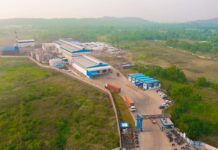
Along with exploring various mill candidates for a repurposing project similar to what was completed in Franklin, Virginia, or Duluth, Minnesota, the Cascades Barnwell, South Carolina mill was also on Thiry’s radar: “We evaluated that mill with a critical eye since the previous owners had not been successful there. It was important to identify what we would need to do differently. Simply changing the sign on the building would not guarantee success.”
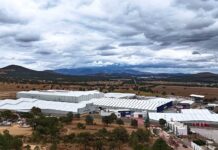
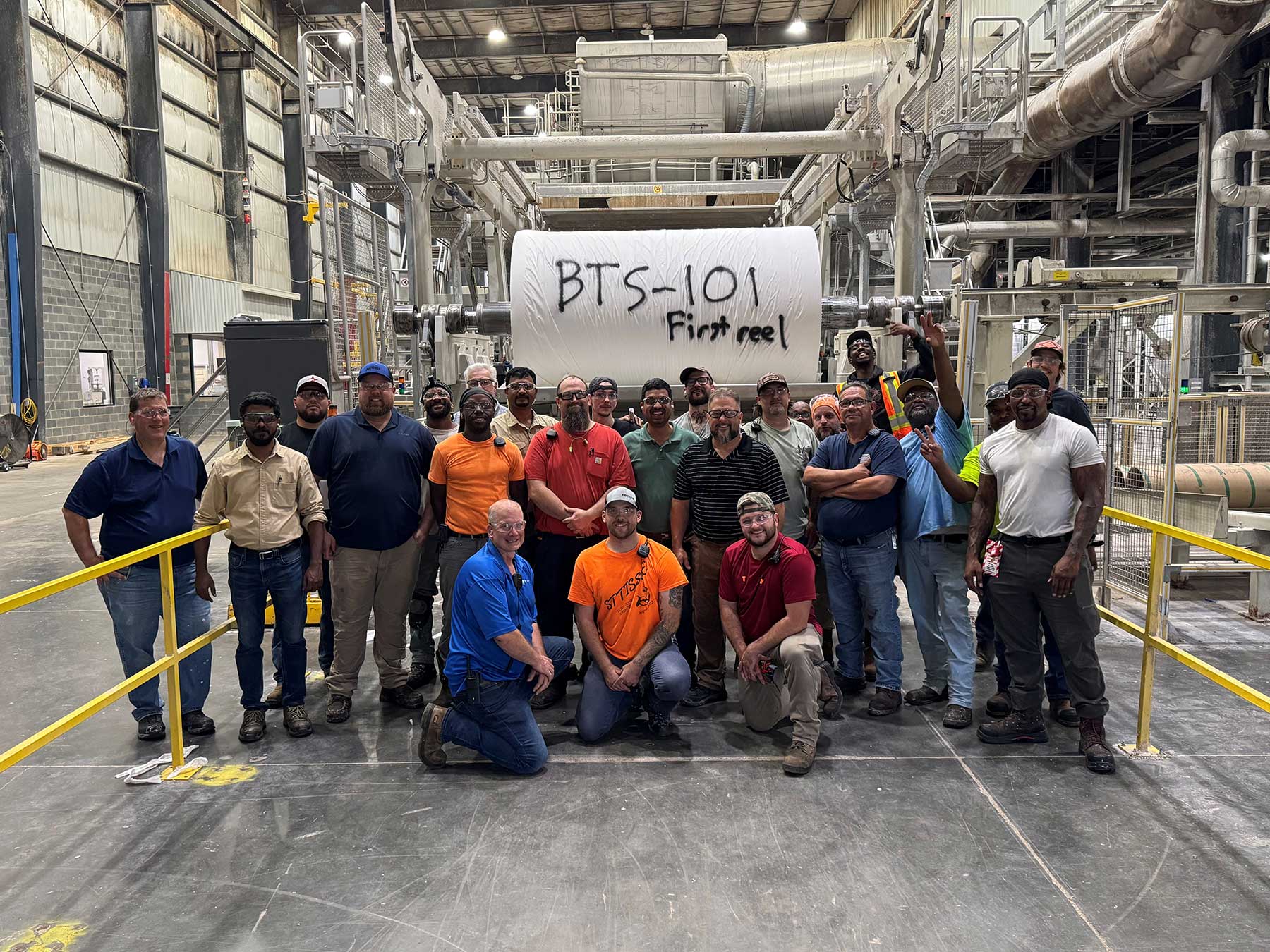
In June of 2025, ST Group completed the transaction to purchase the former Cascades recycled paper mill in Barnwell County, and the first reel of tissue was produced at the end of August.
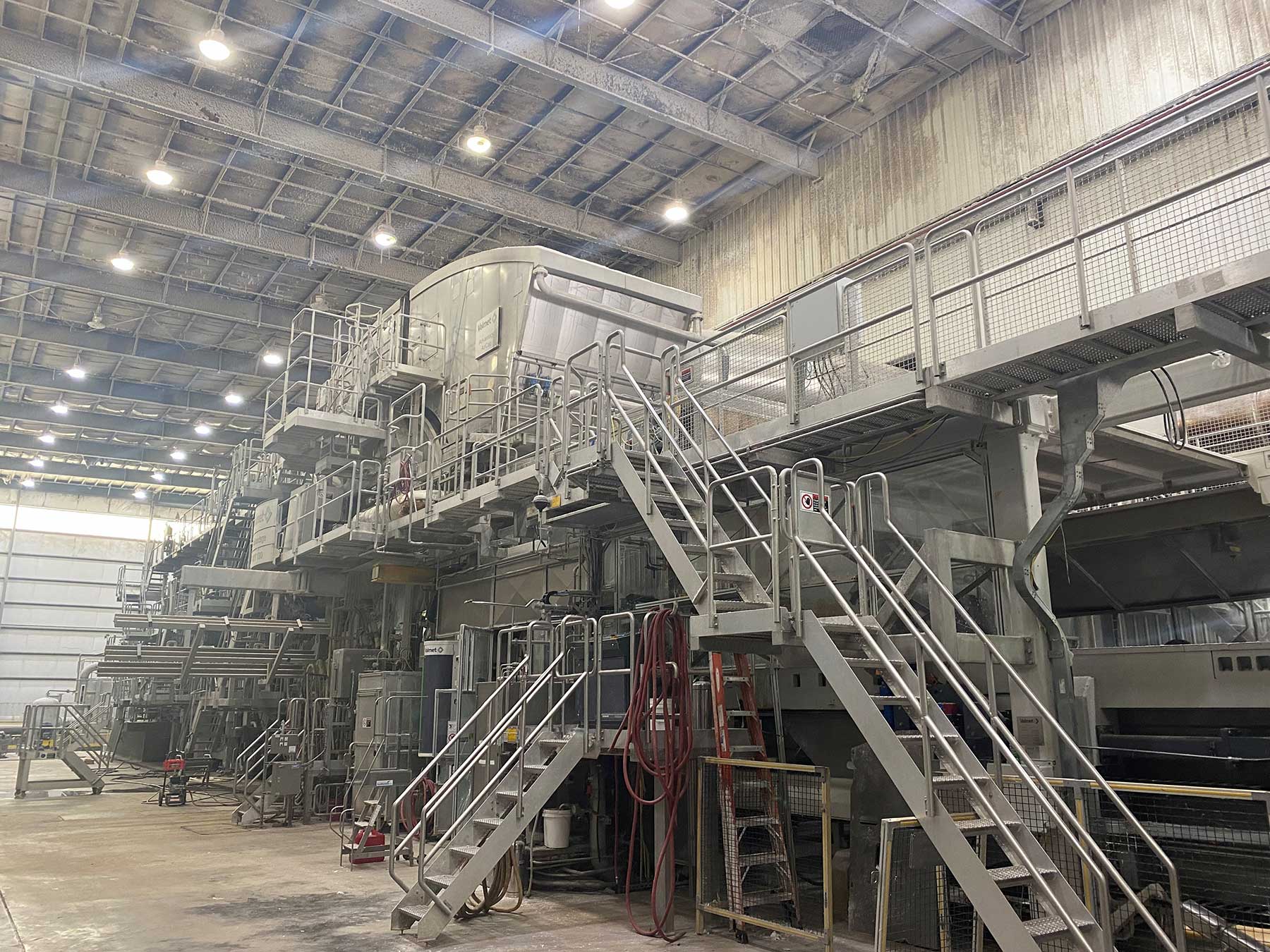
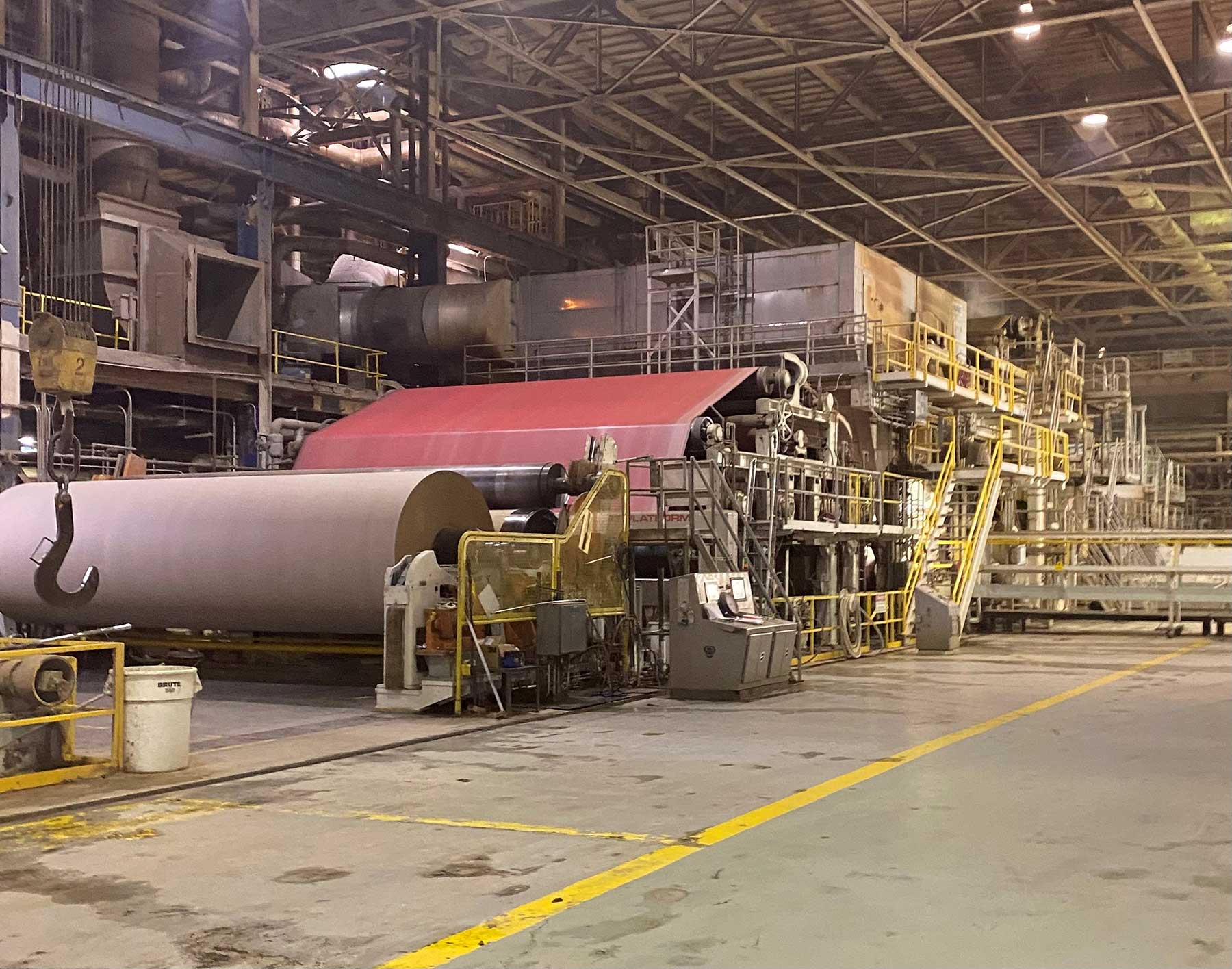
The plant included a Valmet-supplied hybrid QRT/DCT tissue machine which was installed in 2016 and has an annual capacity of 30,000tpy. While converting assets were previously installed at the mill, Thiry says that equipment has since been removed to allow all attention to be focused on tissue making.
“Despite some challenges related to the mill being idle for two years, production is ramping up well. We’ve been impressed with the team that has been assembled which is comprised of some people who returned to the mill and others that are new to tissue making,” he adds.
The move was ST Group’s third tissue facility, joining sites in Oconto Falls, Wisconsin, and Franklin, Virginia, and brings the company’s total capacity to 220,000tpy.
transaction to purchase the former Cascades recycled paper mill
The initial plan was to concentrate on parent roll production at the Barnwell mill, bringing the existing assets online. “However, as we studied the Barnwell site, we did evaluate the potential of further expansion down the road,” Thiry says.
Growth plans for the next few years include continuing to look for opportunities for stepwise growth: “This includes adding capacity at an existing site, repurposing a closed facility, and/or acquisitions. We have the financial wherewithal and internal capability to keep all options on the table.”
While exploring alternatives the business will continue to invest in its existing facilities to improve quality, reliability and reduce cost. “Some of those projects may also provide incremental capacity. We believe the tissue market has returned to historical growth rates of 1-3% and a significant amount of that demand is being satisfied by imported parent rolls. Given that environment we will continue our disciplined growth trajectory.”
Most of the company’s products are currently directed into the AfH sector of the tissue market and made with recycled fibre, and the business’ strategy is to continue to follow the direction of its customers’ requirements. “We have the flexibility to pivot toward At-Home (AH) products made with virgin or virgin/recycled blends. However, given our asset base, our preferred scenario is to utilise our internal fibre recycling capability.”
America’s AfH market continues to be slanted toward recycled fibre, he adds, with many customers requiring various sustainability certifications. “However, we are starting to see more customers that appear to be “fibre agnostic” with a stronger bias toward price sensitivity. Recent virgin fibre prices and aggressive import prices have likely attracted more virgin fibre products into the AfH market.”
He adds that TAD products have become “more prevalent” in the AH sector of the tissue market: “It will be interesting to monitor if that preference migrates into the AfH arena.”
A further part of the company’s continuous improvement and capital plans prioritise opportunities to improve energy conservation. These projects carry a “dual benefit” of sustainability and cost savings, he says. “Water conservation and applying technology to optimise energy consumption are key themes of our agenda at the moment.”
In the foreseeable future, Thiry anticipates that mitigating energy prices along, navigating the decreasing supply of white wastepaper grades, and taking advantage of emerging technologies will be key to thriving in the current climate.
“We expect that energy prices will escalate at a faster rate than over the past 10 years. Electricity and natural gas are critical input cost variables in tissue making, and electricity demand is increasing rapidly, and natural gas generation will likely be needed to support the demand.
“The decreasing supply of white wastepaper grades to support recycled tissue production together with an abundant availability of virgin fibre may also change demand balance. Effectively taking advantage of emerging technologies such as AI to support operator decision making and troubleshooting will be crucial.”