














Juan Enrique Corzo Snr III recalls the various crises his family company has faced since setting up in Miami in 1997. It is, he says, going to be very interesting to see where the industry is going to go. TWM report by Senior Editor Helen Morris.
“Since we last spoke, a lot of changes have happened,” Juan Corzo Jr III says from his office in Miami Gardens, north-central Miami, Florida. It’s the middle of March 2026, and in a wide-ranging interview Corzo will go on to discuss how changing trends across America have led the business to diversify from its strong AfH niche into the retail market, leading to its investing in a series of converting lines and site and capacity expansion, all the while dealing with lingering trends following Covid, a lack of paper availability, “stock market” pulp prices, and uncertainty from the impact of world events.
“The world is changing, and the tissue market is changing with it,” he says. “Yet we’re still ambitious for growth. We’re growing strongly in the state of Florida and have the infrastructure in place to navigate the changing market demands.”
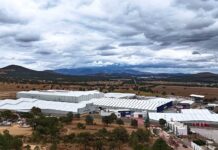
The family-owned company began life in Guatemala, when Juan Corzo Snr established the first operating facility in 1975 before starting his own tissue and towel manufacturing company, Papelera Internacional ‘Painsa’. In 1997, Juan Enrique Corzo Snr II, the second generation in the family business, expanded the business to Miami, creating South Florida Tissue Paper. Production began with jumbo roll tissue and centre pull towels, which over the years has expanded into a variety of converting tissue and towel products for the AfH market.
Now as the third generation of the family, President Juan Corzo Jr III is working alongside his father to lead the business.
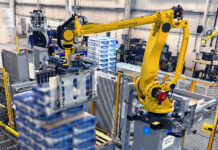
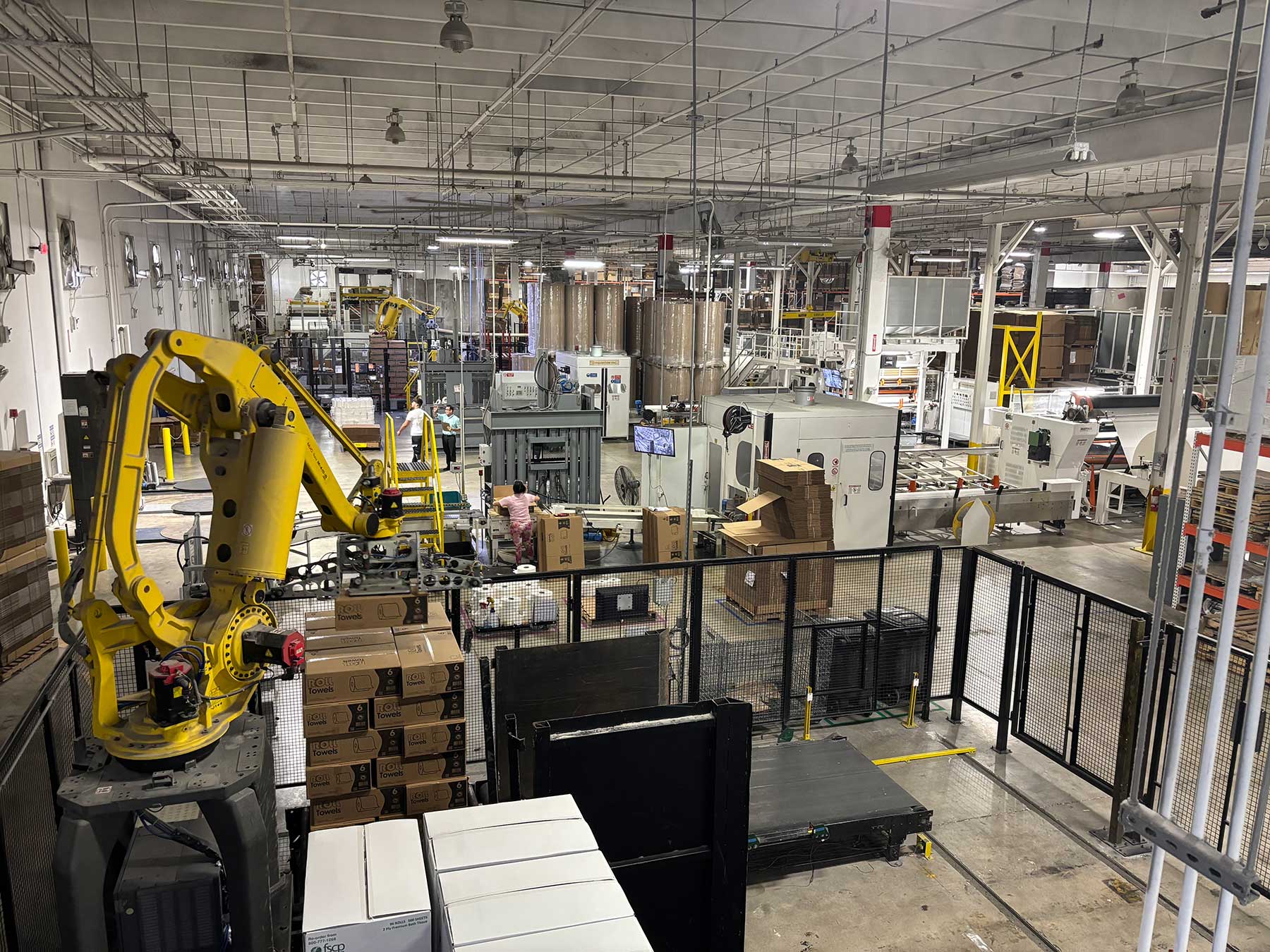
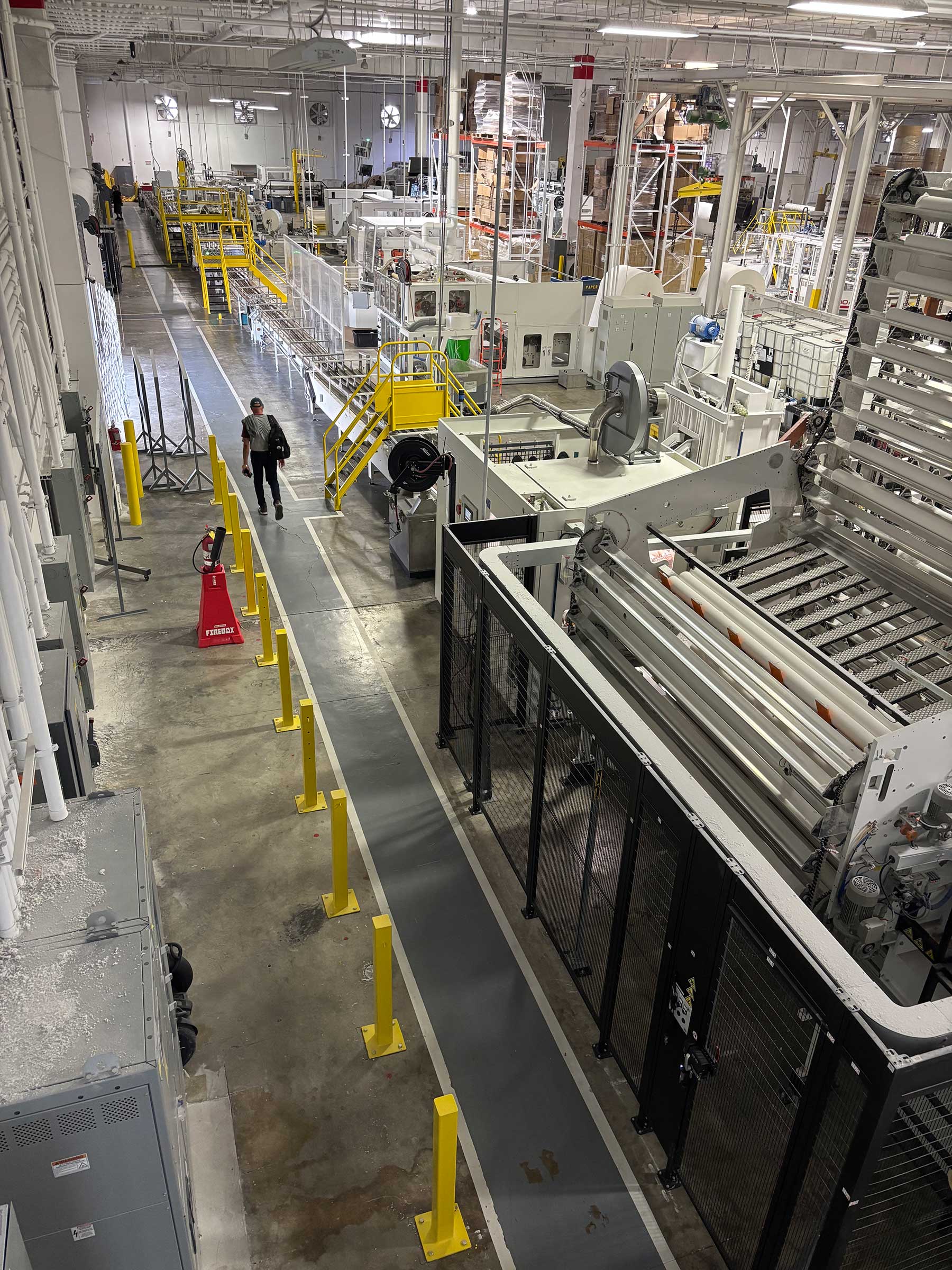
In the last year, South Florida Tissue Paper Co. has announced a key diversification away from its traditional AfH sector into the growing retail market: “We’ve always been known as a part of the AfH industry,” Corzo says from his office. “In the past year we’ve made some very interesting investments to position us in the retail industry, and we are now fully integrated into the retail market for kitchen towel and bath tissue. It’s a very exciting time for us. We currently have nine converting lines and a production capacity of 24,000 short tons per year and have recently purchased a Perini MyLine – 600 metres a minute for bath tissue and kitchen towel. As of early March, we purchased another 600 metres per minute line for the same sectors, for bath tissue and kitchen towel. It will likely be up and running in around four months, and it will make us even more competitive on the retail industry as we venture into it.”
The reason for diversifying is largely due to the position the company found itself in following the Covid pandemic: “After Covid, Florida became very expensive. Inflation hit hard. It became very expensive to rent a building or own a building here, and the people like us that were here before Covid were better off as we own the building. It put us in a really blessed position where it’s hard for anyone to come in, as it’s not worth it for them considering how expensive it is to rent or buy a building to manufacture paper products. This has given us a very nice opportunity, we’re grandfathered into the market and it’s not allowing competition to come. That’s a big blessing; we’re not seeing any competition here any time soon. This has allowed us to grow and diversify our offering.”
That growth has also seen the business invest in a facial tissue line to make flat facial tissue: “I don’t believe anyone else in the south-east of America is making these types of products, and this definitely puts us in a very interesting place because it’s not something that people make in the area.”
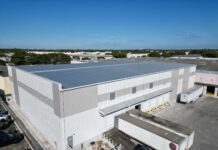
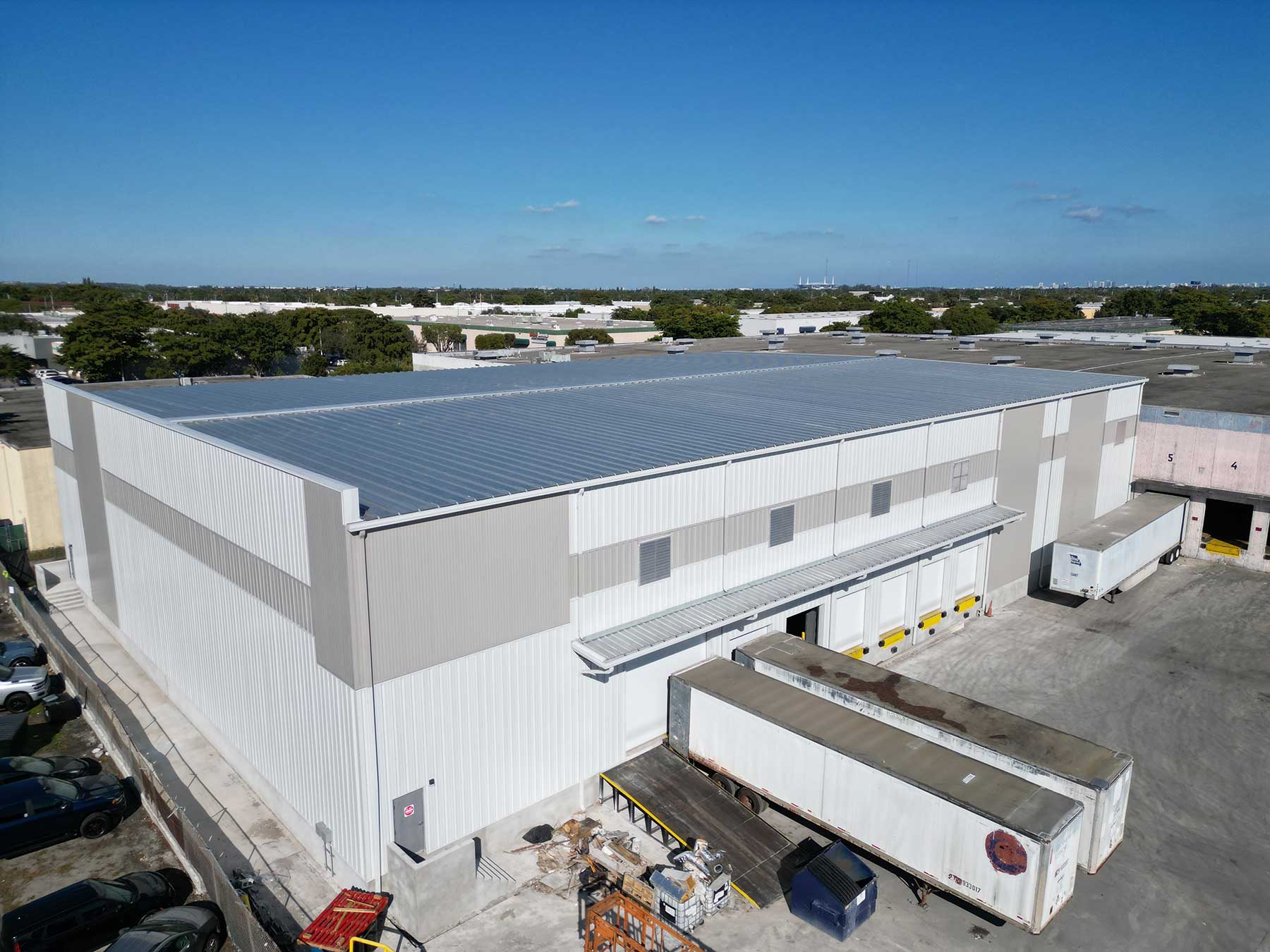
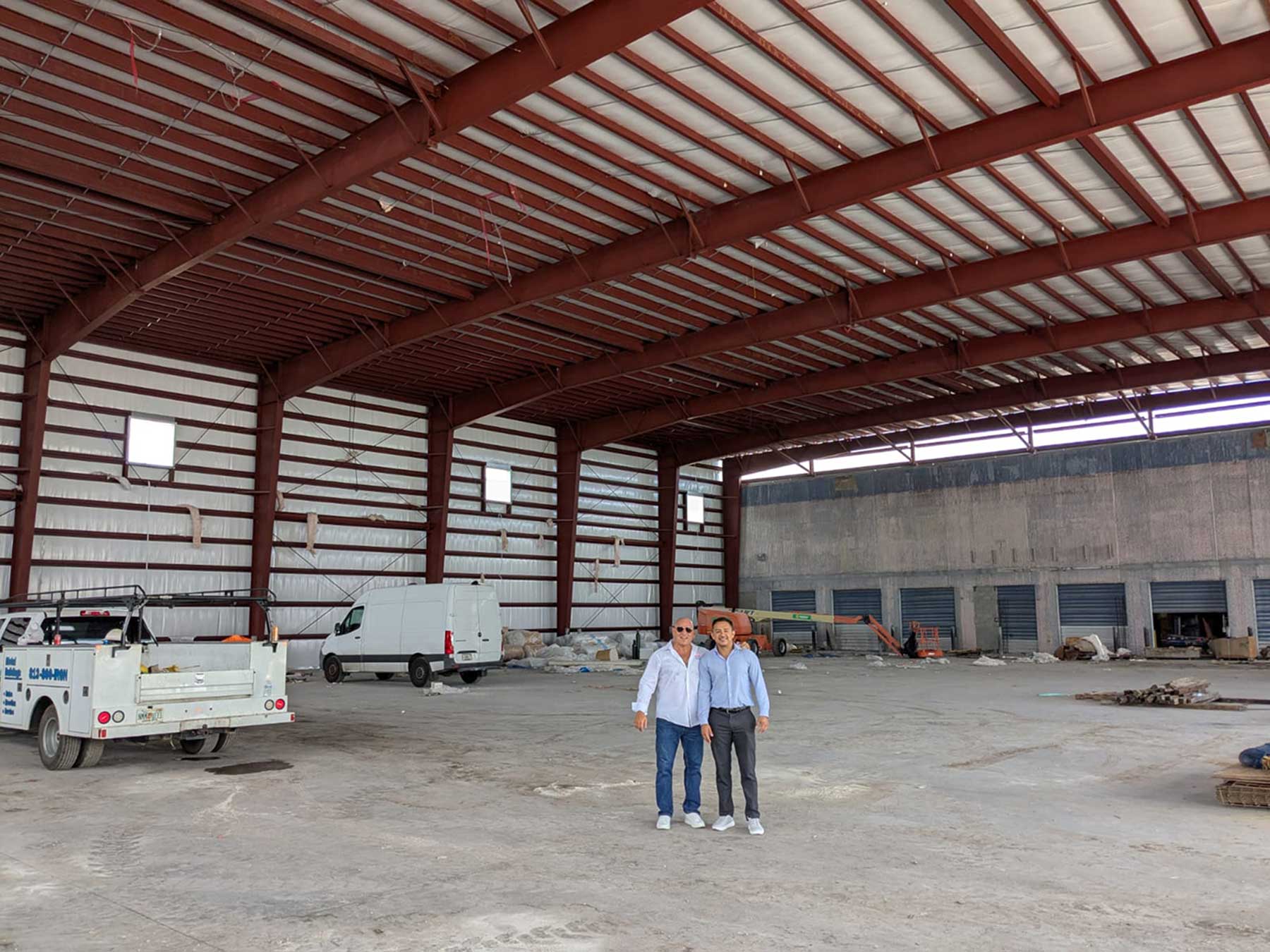
Another investment has been the expansion of the company’s building: “The mayor of our city came over personally and toured our plant, he met my father and I and approved for us to build another building at our plant. We can now add an extra 30,000sq ft. This will allow us to bring in another two more converting lines, one is the one that is about to arrive, and then we’ll have space for an additional line in the future. This will give capacity for an extra 8,000tpy.”
At the time of our interview, the world’s headlines are full of news from the Middle East, and Corzo says the company is bracing “as best it can” to prepare for the repercussions: “Now we have the Iran war, that’s going to be very interesting to see where the industry is going to go. It could either help us or break us. There are so many ways the Iran war could either help or challenge us – one, it can make all the imports coming in from Asia that we compete with more expensive, so that will give us an opportunity. Or it can disrupt the supply chain and cost convertors like us that have had a hard time sourcing raw materials, which has happened in the past few years.”
Three years ago, he says people couldn’t find paper: “There was a real shortage in paper. Pulp prices have been a rollercoaster; it’s become like a stock market. It’s been a very challenging five years since Covid, for everybody. There’s a lot of paper, there’s no paper, paper is expensive, paper is cheap… every month there’s a crisis. And the Iran war could possibly cause that all over again.
“It’s very difficult for anyone to prepare for the unknown”, he adds. “I could get ahead and purchase thousands of tons, but no one has space for hundreds or thousands of tons, or the capitol to spend on it. We will likely have to play it by ear, and as challenges come, with experience we will tackle each.”
In the coming months, the company will continue to rely on the strong niche it has carved for itself in the Florida tissue market: “We have a very specific business model, a very strong niche. And we are now diversifying it into the retail side of the market. It will be interesting to see how we grow in retail in the next year or two, I’m still bringing in new products that I haven’t even started yet.”
America, and particularly the southeast of America, will remain the largest market for the business: “Here in the southeast, the customers really value quality, that’s the most important aspect of the products for them. We will continue to invest in the latest technologies to assist with that.”
Export will also remain key: “Miami is a gateway to Latin America,” he says. “A lot of countries in the Caribbean and central America source out of Miami, it’s the nearest port for them coming into the United States for countries that don’t manufacture. That’s always been a strong market for us.”
However, he cautions that as there is so much uncertainty going on over Iran, it may be more economical for the time being for companies in Latin America to source nearby, as they’re not going through what the American companies are currently experiencing: “The world is changing, and the paper industry is changing with it. It’s hard to know where we are going to go in the next year. Within Florida’s tissue market, Florida is constantly growing, it has seen tremendous growth coming in. As far as the growth of the tissue market across the whole of America, I believe retail is growing a bit more than AfH.
“There are a lot of new trends happening, such as more people are working from home, and that’s changing the tissue market. E-commerce is also changing the way people buy and growing the retail industry and we believe that because of that retail will continue to grow. Whatever is the case, we have invested and progressed so that we as a business are in a strong position to respond to that.”