

















The green pioneer and award winner is present in 70 countries across five continents. TWM Senior Editor Helen Morris spoke to Francisco Barreiro, Director of Innovation and Sustainability.

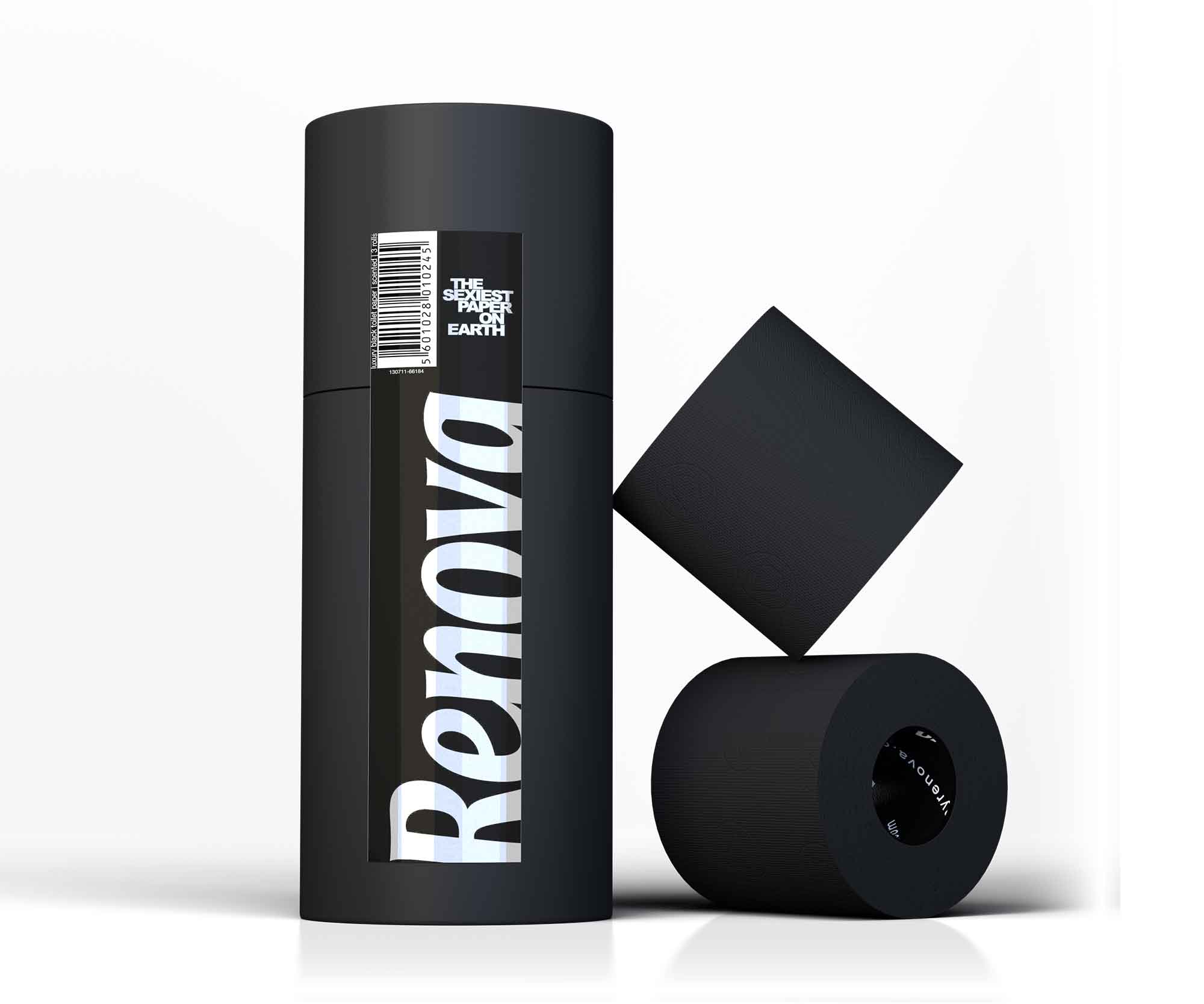
“Black toilet paper conquered the world with its boldness,” Francisco Barreiro, Head of Innovation and Sustainability, Renova, says from the company’s headquarters in Torres Novas, north of Lisbon. “But the brand didn’t stop there. The continuous building of Renova has been both the driving force and the tool behind our development outside Portugal.”
TWM first visited the company’s Torres Novas plant in 2013 … always ahead of its time, the company’s open-plan office area contained a large punch bag, boxing gloves, a poster indicating that this was a “tie-free” zone, Jackson Pollock-styled artworks covering the floor of the brain-storming areas, and shopping trollies dotted around the office full of their famous brightly-coloured tissue products… and since then, Renova’s modernisation process has stepped up yet another gear.
In 2015, Renova announced it had become the first European tissue producer to invest in NTT tissue technology. The Valmet-supplied Advantage NTT line was installed at the company’s Torres Novas mill in 2016. The result has been a textured tissue paper that “combines softness and strength, which has become a powerful driver of the brand’s growth,” he adds.
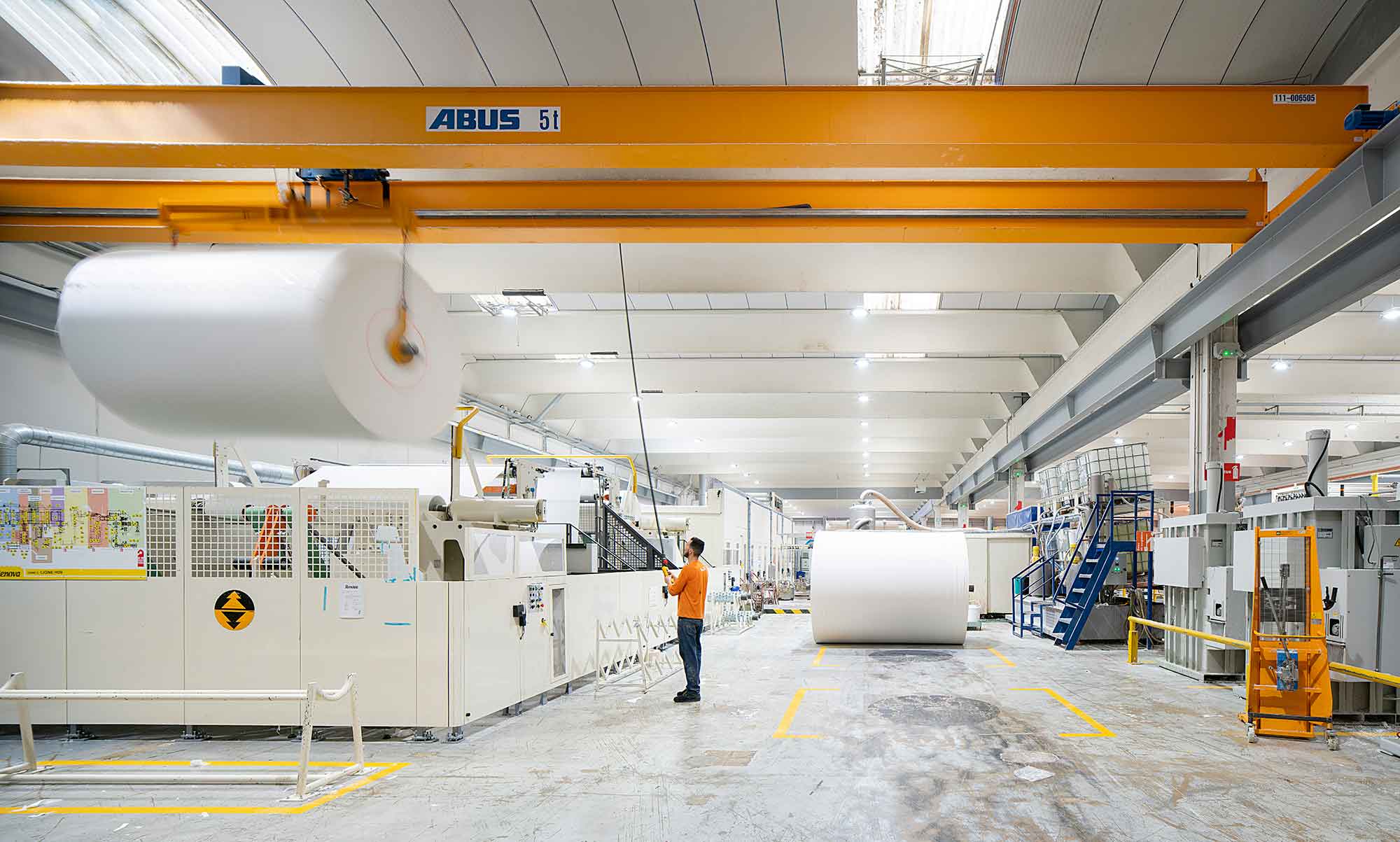
More recently in 2024, the company announced it had invested in a Toscotec-supplied complete rebuild of its PM6’s Yankee Hoods and air system at its facility in Torres Novas. The upgrade was planned to deliver gas consumption reductions exceeding 25%, which “will significantly bring down carbon emissions and increase machine runnability.”
design, distribution networks, processes, sustainability, and communication
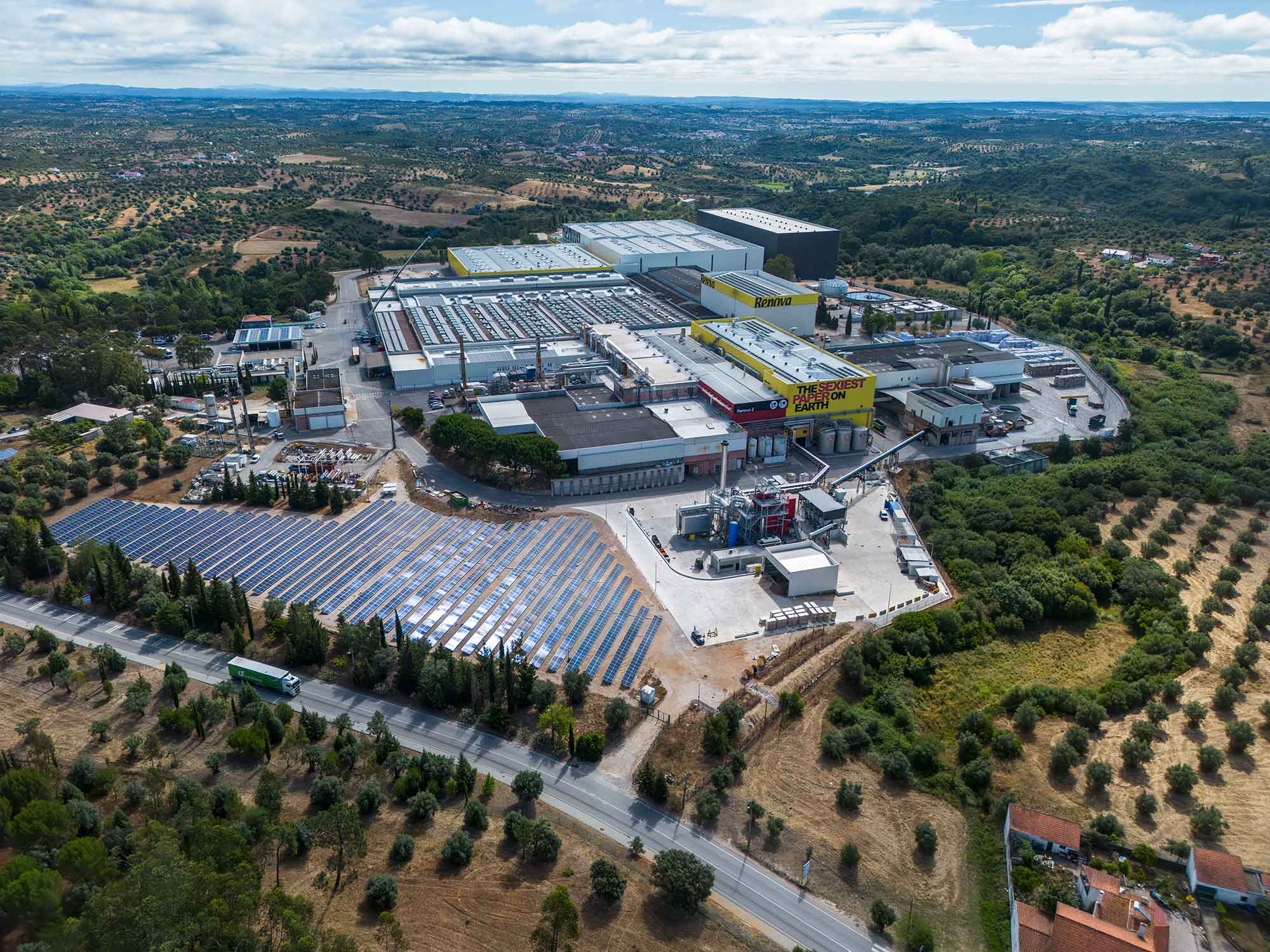
The path toward Net-Zero Carbon emissions, Barreiro says, has been a priority: “Photovoltaic panels and a biomass plant were installed to eliminate the direct use of fossil fuels. In addition to using certified forest residues, the biomass plant has the unique feature of processing sludge from the recycling unit and wastewater treatment facilities, transforming it into energy instead of sending it to a landfill.”
Renova launched its unique black toilet paper into the world in 2005. Since then, it launched customer-tailored personalisation through the “Made by You service” (available at myrenova.com online store), and the Renova Pet Care line for four-legged friends, and much more.
In packaging, Barreiro says the company introduced “the first paper-wrapped tissue products in mid-2017, and in 2025 we surprised the market with Crystal Paper – the world’s first transparent paper packaging.” Recyclable, compostable, and safe for food contact, he says the product offers the transparency and performance of plastic, but without its environmental footprint.
As a business, he adds that sustainability goes beyond eliminating plastics: “It means reducing water and energy consumption, minimising waste, investing in clean energy, and ensuring ethical and inclusive labour practices. This philosophy has gained international recognition, crowned with an international green design award in January 2025.”
Renova TextilPapier is the latest innovation: “Imagine turning old t-shirts and jeans into sophisticated, soft, and sustainable paper. That’s exactly what it is: recycled textile fibres combined with natural fibres, resulting in a premium and surprising product. In a world where only 1% of used clothing is recycled, Renova TextilPapier is a solution that actively contributes to a circular economy.”
Renova – with the promotional line of “The Sexiest Paper on Earth” – is now studied at leading business school INSEAD, ranking among the best-selling classic case studies since 2020, and inspiring generations of managers and entrepreneurs at some of the world’s top business schools. “It has offered a new perspective on transforming a traditionally ‘unemotional’ product into something desirable,” he says.
In the next few years, the company has no plans to slow down its growth: “Our main goal is to continue expanding across Europe. We aim to strengthen our presence in markets where we are already established while exploring new opportunities in nearby European countries.”
At the same time, the company will keep on investing in innovation across all areas – product design, distribution networks, processes, sustainability, communication, and more – as well as in the widespread implementation of artificial intelligence. “This will accelerate the internationalisation of the Renova brand, offering innovative and meaningful products that enhance people’s well-being.
Across Europe’s tissue and towel industries, he says the reality of the Portuguese market is not very different from the rest of Europe: “There is a growing demand for “bulk” formats, with higher unit counts, as a way to reduce the cost per unit and respond to increasing price sensitivity. At the same time, there’s a strong focus on logistics optimisation – whether in palletisation and transportation or through design solutions that reduce waste, incorporate more sustainable materials, and align with “green design” principles.”
In retail, he says that proximity has become increasingly important: “Smaller store formats within major chains often mean a reduced variety of brands and, in some cases, the exclusive dominance of private labels. This phenomenon, combined with the fact that the Iberian market is the second largest for private labels, has driven sales in this segment.”

Regarding sustainability, the trend is clear. It is no longer a differentiating factor commanding a price premium, but a basic requirement: “Consumers now expect products to be sustainable by default and, in addition, to deliver high performance.”
The events of the past five years have resulted in greater convenience for consumers: “Covid-19 acted as a catalyst for changes in citizens’ lifestyles. Today, there is a greater appreciation for the possibility of remote work and the convenience of online shopping. In terms of tissue consumption, there has been a reduction in the number of categories purchased, with consumers opting for products perceived as more versatile.”
Simultaneously, he says there has also been a heightened concern for personal hygiene, which has “fostered the introduction and widespread acceptance” of complementary products, including wet toilet paper.
The Portuguese tissue market has seen “slight growth” in consumption, in the single-digit range, which he says reflects a relatively stable but positive trend: “This pattern is expected to continue in the coming years, supported by modest demographic growth, the increasing importance of tourism – which particularly drives consumption in the AfH channel – and the fact that the sector is increasingly operating from an Iberian and European perspective.
Renova is currently present in over 70 countries across all five continents, with international markets playing “a very significant role”, accounting for more than 50% of total revenue.
In the coming years, the Portuguese tissue market, as well as other European markets, will face significant challenges – from growing pressure on human resources in a continuous production sector, to rising labour costs and retailers demands for greater operational efficiency.
However, he says these challenges “also create opportunities for the most resilient operators, capable of adopting artificial intelligence solutions, exploring new retail formats, strengthening online channels, and turning convenience, sustainability, innovation, and competitiveness into strategic drivers of differentiation and growth.”
Watch this space.