














Edward Gallivan, Key Account Manager at E80 Group, says design is not just the beginning of a project – it is the foundation of its lifecycle success. A TWM report.
In the tissue industry capital investments are significant and the pressure on return is relentless. Mills must manage soaring costs, changing consumer demand, and an ever-growing emphasis on safety and sustainability. Equipment is expected to perform not just for years, but for decades — adapting to evolving requirements while protecting margins and keeping workers safe.
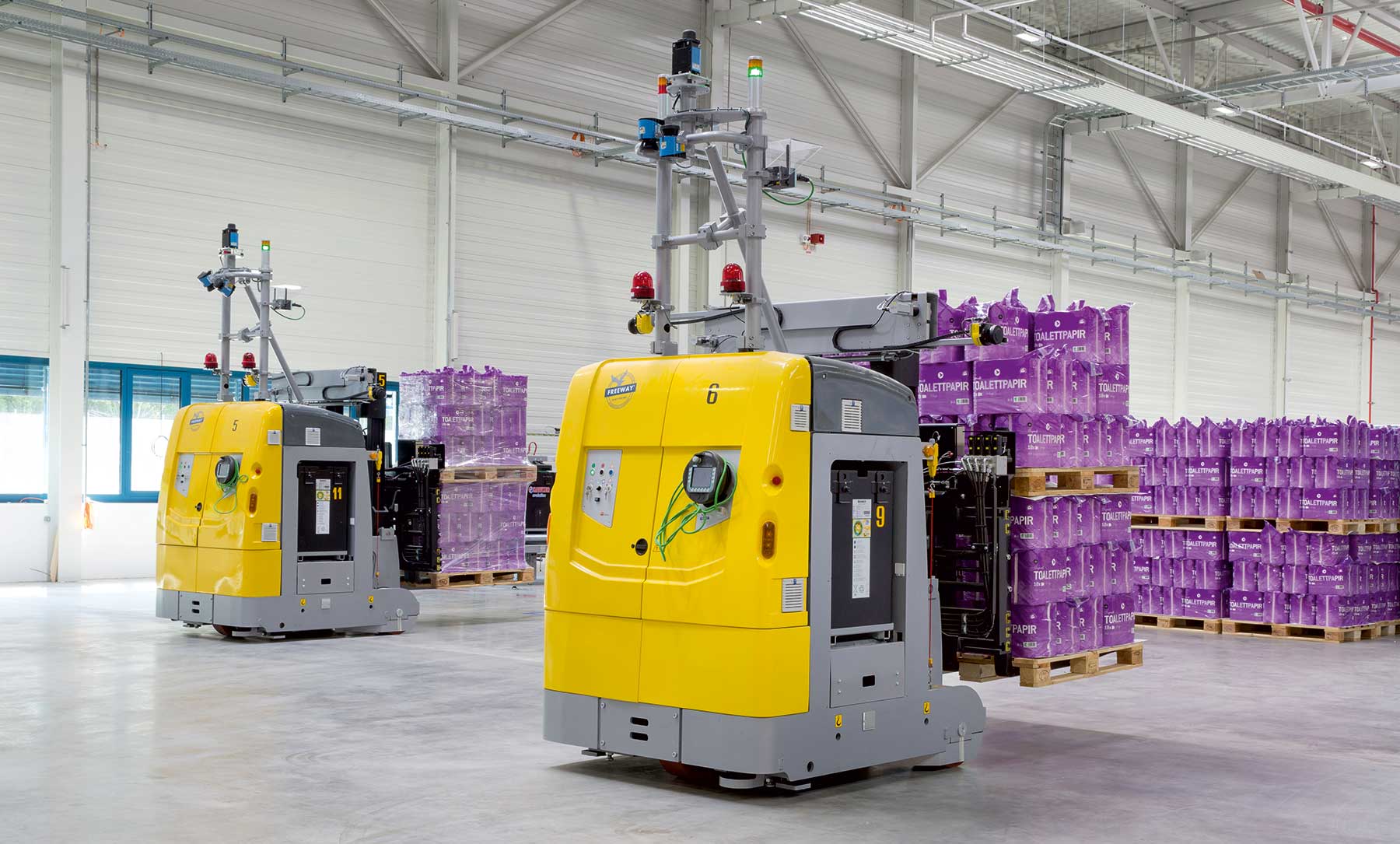
Against this backdrop the question is simple but urgent: how can mills extend the life of their plant assets and ensure long-term performance? At E80 Group (E80), we’ve built our business around answering this question. After 45 years in the market, more than 80% of our business comes from repeat customers. The reason is straightforward: we design systems that stand the test of time, and we commit to walking alongside our customers throughout the lifecycles of their plants.
A partnership that lasts
A customer once told me: “Choosing a vendor is like choosing a partner – it’s the partner you marry.” That comment has stayed with me throughout my 18 years at E80.
When I first joined the North American market, our installed base was still developing. Today, it’s remarkable to see some of the very first systems I helped install still running efficiently more than 15 years later. These plants have grown, shifted, and adapted — and our systems have grown with them.
The lesson is clear: when equipment is designed for longevity, backed by software that evolves, and supported by a lifecycle partnership, ROI doesn’t just extend – it multiplies.
Equipment designed for longevity
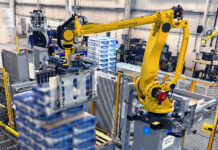
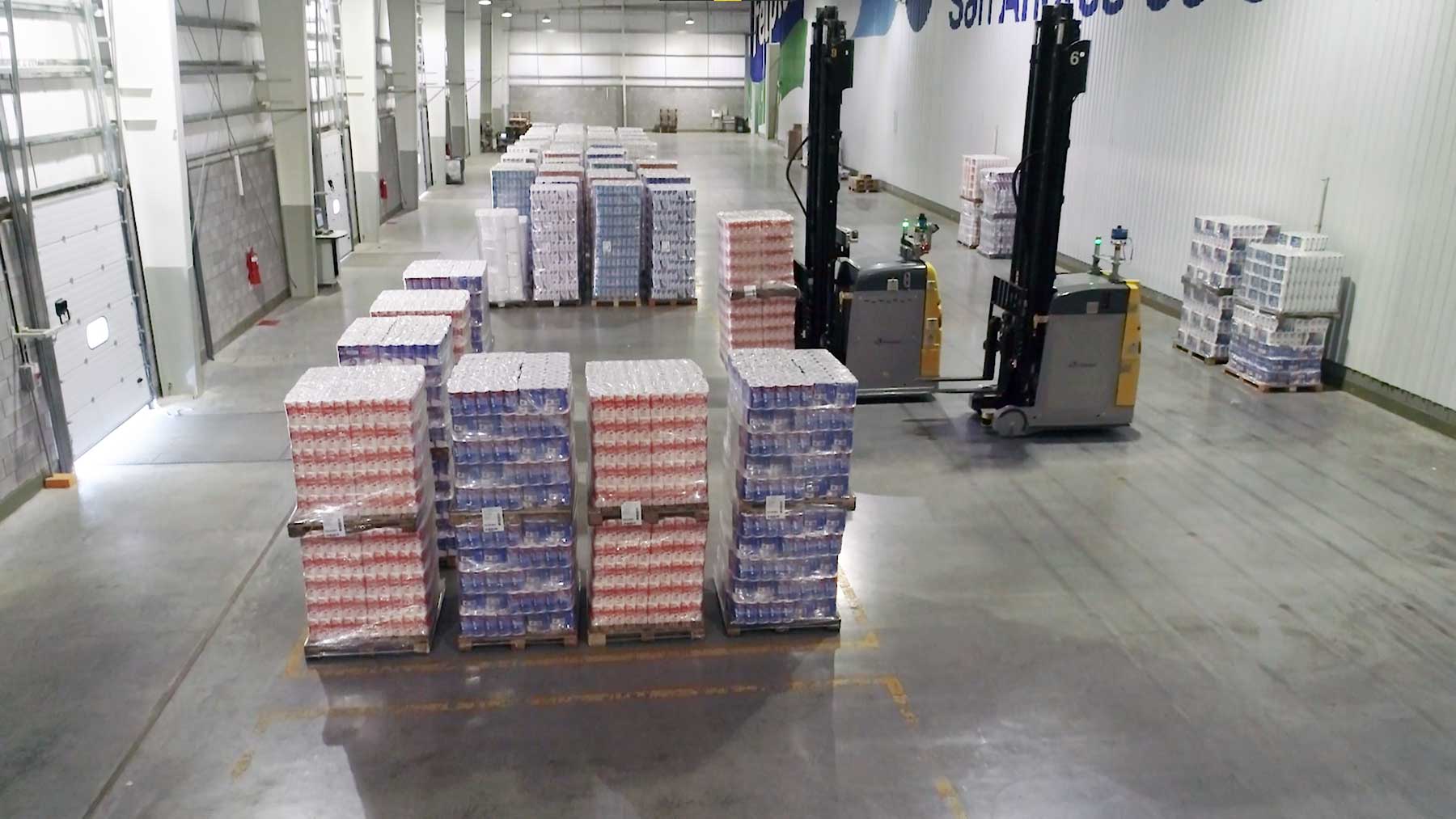
Traditional forklifts often need replacement every three to five years. By contrast, E80’s automatic guided vehicles (AGVs) and laser-guided vehicles (LGVs) regularly achieve lifespans of 15 years or more.
This durability isn’t coincidental. As a vertically integrated supplier, we design and manufacture our own chassis, masts, and control systems. Every component is engineered with long-term performance in mind, ensuring our customers avoid the frequent replacement cycles that erode efficiency gains.
Just as important our design philosophy ensures continuity across generations. Customers can operate multiple generations of LGVs at the same site, allowing for gradual replacement and seamless expansion without system disruption.
Software that evolves with you
A system’s hardware may provide the foundation, but its software determines how far it can go. Unlike many automation suppliers, E80 owns and manages the software that runs the entire logistics flow.
This control layer is the “brain” of the system, coordinating vehicle movements, warehouse flows, palletizing, and trailer loading. By managing it directly, we ensure customers can benefit from continuous upgrades – logic enhancements, optimisation modules, and new functionalities – without replacing equipment.
For mills, this means a system installed today can evolve with changing production requirements tomorrow, extending ROI while avoiding costly overhauls.
Managing obsolescence responsibly
One of the challenges in long-term automation is dealing with component obsolescence. As technology cycles accelerate, customers risk being locked into outdated systems with no clear path forward.
E80’s approach is different. By carefully selecting components with retrofit options, and by proactively monitoring obsolescence during scheduled audits, we help customers plan replacements before issues arise. This ensures compatibility and continuity – and, crucially, allows for predictable investment planning rather than sudden, disruptive expenses.
Designing for longevity from day one
Extending the life of a system doesn’t start 10 or 15 years down the road – it starts at the design table. At E80 our philosophy is design first: every project begins with a deep consulting process to ensure that the solution is tailored not only for today’s needs, but also for tomorrow’s growth.
When mills face decisions about greenfield construction or upgrades to existing facilities they are confronted with thousands of choices. Layouts, throughput requirements, storage density, SKU profiles, labour planning — each one influences long-term performance. Making the wrong decision at this stage can shorten system life and ROI.
That’s why E80 takes a holistic, data-driven approach. Our consulting teams analyse throughput, workflows, seasonal fluctuations, and long-term growth models. With the help of advanced simulation tools we can test multiple scenarios and validate system performance with up to 95% accuracy. This means our customers don’t just receive an automation solution — they receive a future-proofed design.
The result is flexibility and scalability built in from day one. Systems designed this way can adapt to changing market demands, integrate new technologies, and extend the business without requiring disruptive overhauls. In other words, design is not just the beginning of a project – it is the foundation of its lifecycle success.
A continuous support
The backbone of life plants extension is service. E80’s customer service model is not reactive but collaborative, built around a 360° approach that includes:
Service Level Agreements (SLAs): predictable, tailored support frameworks.
Integrated technical support: both remote and on-site, including fleet management.
Lifecycle audits: regular evaluations of wear, usage patterns, and obsolescence risks.
Parts and optimisation strategies: keeping systems running at peak efficiency.
Because we own both the hardware and the software, our service is truly end-to-end – one source of accountability, one partner for the long term.
Collaboration in practice
Partnership only works if it’s practiced. That’s why our technical teams meet with customer teams on site several times a year. These sessions serve three key purposes:
Proactive evaluation. Our engineers identify wear, inefficiencies, or risks that daily operators may overlook.
Shared knowledge. Customer teams receive refreshers on evolving features and best practices, ensuring they can fully leverage system capabilities.
Obsolescence planning. Together, we review upcoming component changes and align strategies, keeping the system future-proof.
This hands-on, side-by-side approach ensures communication is constant and solutions are collaborative.
Real-world impact: optimizations in action
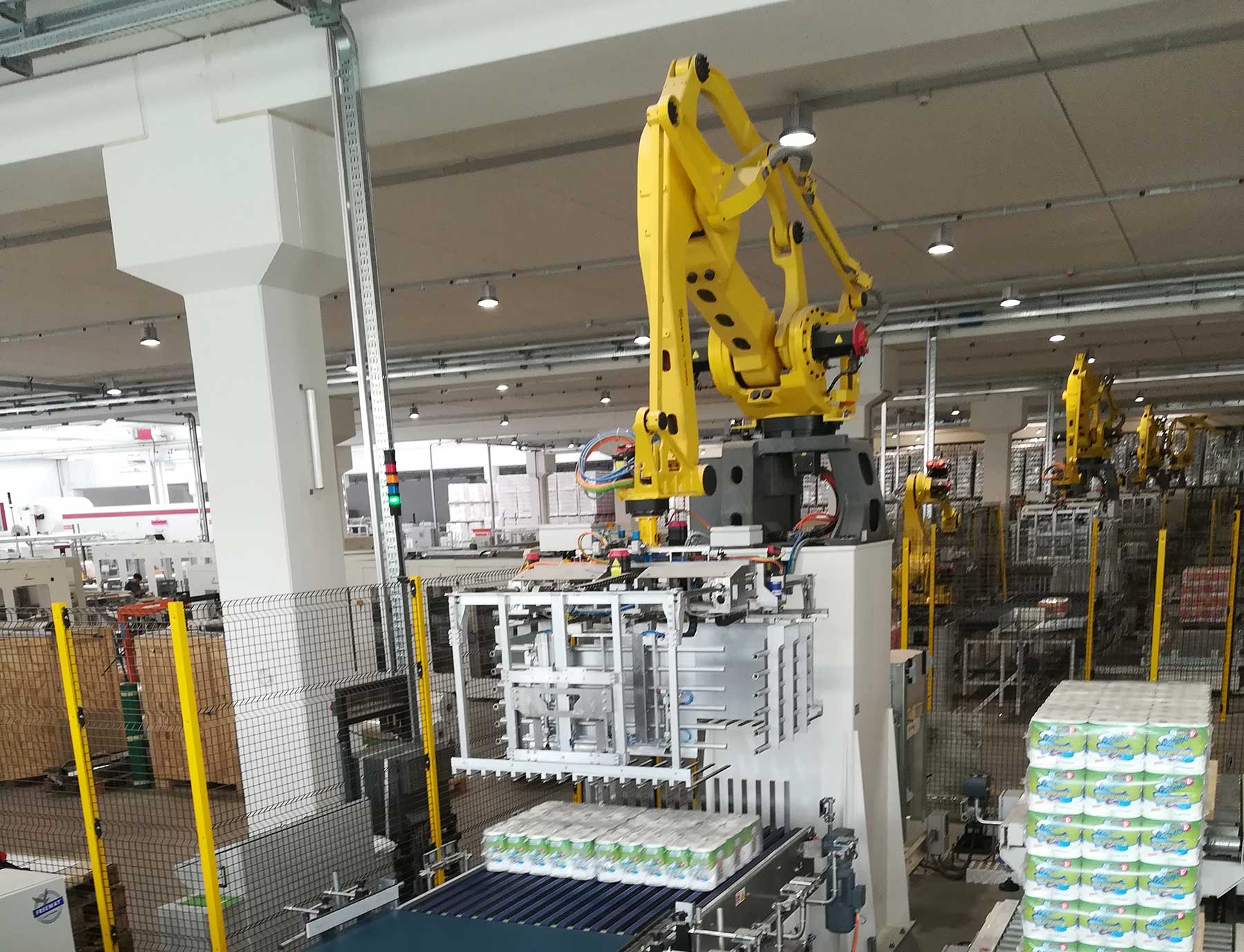
Consider a tissue mill that added a new product line requiring different palletising patterns. Instead of purchasing new vehicles or conveyors we optimised their existing software, reprogramming logic flows to handle the change seamlessly. The result: increased flexibility, zero downtime, and smarter use of existing resources.
In another case, a long-running fleet was evaluated during a routine audit. We identified early signs of wear that, if left unchecked, could have led to major disruption. With planned interventions, the customer avoided unscheduled downtime and preserved system reliability.
These examples highlight a simple truth: lifecycle support is not an afterthought — it’s the strategy that makes long-term ROI possible.
The value equation: savings, safety, and sustainability
Plant life extension delivers more than just financial savings. The benefits ripple across the mill’s operations:
Savings: deferred CapEx, lower replacement costs, and optimized performance.
Safety: fewer manual forklifts on site, lower accident risk, and safer workflows.
Sustainability: reduced waste, fewer scrapped components, and more efficient energy use.
In today’s industry, where sustainability commitments are tied directly to business reputation, extending system lifecycles is not only cost-effective – it’s essential.
Conclusion
At E80, we view every installation not as a transaction but as the beginning of a journey. By designing equipment and software that last, by managing obsolescence responsibly, and by investing in lifecycle service, we ensure our customers remain competitive for decades.
The tissue industry will keep evolving. Technologies will change, sustainability requirements will increase, and customer demands will intensify. But one thing will remain constant: the need for partners who can extend ROI, ensure safety, and deliver end-to-end, cost-effective, sustainable solutions.
This article was written for TWM by Edward Gallivan, Key Account manager at E80 Group.